

Your Complete Guide to Garage Systems That Actually Work for You
Struggling to park a car in a tight garage or bumping into walls is a common frustration, and a garage system solves this by using sensors, lasers, or cameras to guide the vehicle. It works by measuring the space and providing real-time audio or visual feedback to the driver, ensuring precise placement. The primary benefit is eliminating dents and scratches, making parking stress-free even for experienced drivers. To use it, simply activate the system via a control panel or dashboard and follow the indicator alarms until the vehicle is safely positioned.
Understanding the Core Components of a Modern Garage Setup
A modern garage setup is defined by its integrated ecosystem of core systems, where each component serves a specific, synced function. The backbone is a reliable, smart-capable garage door opener paired with a high-cycle-life torsion spring system for consistent operation. Critical support comes from a dedicated charging station for electric vehicles and a modular storage system that keeps the floor clear for vehicle movement. The true insight lies in the unified control:
Automating the opener, lighting, and climate control through a single smart hub transforms the garage from a storage room into a responsive, efficient workspace.
Finally, a reinforced floor coating and proper insulation seal the setup against wear and temperature extremes, ensuring every system operates at peak reliability.

What Makes Up a Complete Garage Door Opener System
A complete garage door opener system comprises the motor unit, a reliable drive mechanism (chain, belt, or screw), and a sturdy rail assembly. The automatic garage door opener system relies on a wall-mounted control panel and a remote transmitter for activation. A safety sensor pair halts closing if an obstruction is detected, while an emergency release cord disconnects the trolley for manual operation. The choice of drive type primarily affects noise level and operational smoothness, not security.
| Drive Type | Primary Trait |
|---|---|
| Chain | Durable, loud |
| Belt | Quiet, smooth |
| Screw | Few parts, fast |
Key Parts: Tracks, Springs, Cables, and How They Work Together
The vertical tracks guide the door’s rollers, while horizontal tracks support the door in the open position. The torsion spring, mounted above the door, counterbalances its weight, and the cables connect the spring’s cable drums to the bottom brackets. learn more When the opener activates, the spring unwinds, tensioning the cables, which pull the door upward along the tracks. This synchronous effort—tracks providing alignment, springs supplying force, and cables transferring that force—ensures smooth, controlled movement. Tracks, springs, and cables form a precise tension system; failure in one component destabilizes the entire operation.
Tracks guide the door’s path, springs store and release lifting force, and cables transmit spring tension to lift the door—all working in coordinated balance.
Control Interfaces: From Wall Buttons to Smartphone Apps
The evolution of control interfaces for garage systems has shifted from simple wall-mounted push buttons to sophisticated smartphone applications. Wall buttons provide a hardwired, reliable binary command for open and close functions, suitable for single-point access. Modern smartphone apps leverage Wi-Fi or Bluetooth to offer remote operation from any location, enabling status checks and scheduling. This transition introduces smartphone app integration as a central feature, allowing users to manage multiple doors via one device with customizable user permissions. The practical trade-off involves balancing the latency and security of cloud-based app control against the instantaneous, offline responsiveness of a physical wall button.
Can a wall button override a smartphone command during malfunction? Yes, a wired wall button typically operates on a separate circuit, providing a fail-safe physical override when app connectivity fails or the system experiences a software error.
Choosing the Right Drive Type for Your Space and Needs
Picking the right drive type for your garage system comes down to ceiling space and noise tolerance. A belt drive is whisper-quiet, perfect if a bedroom sits above the garage, while a chain drive is tougher and more budget-friendly but noticeably louder. For low or irregular ceilings, a jackshaft motor mounts on the wall, freeing up overhead room. Q: Which drive is best for a room directly above the garage? A: A belt drive, since it operates with minimal vibration and sound. Screw drives work well in consistent climates but can struggle with extreme cold. Always measure your garage’s headroom and consider how often you use the door before committing to a type.
Belt Drive vs. Chain Drive: Which Operates Quieter and Smoother
When comparing belt drive vs. chain drive for garage systems, the belt drive operates significantly quieter and smoother. A chain drive uses metal links that create a rattling, mechanical noise during operation, while a belt drive employs a rubber or polyurethane belt with steel or Kevlar reinforcement, which absorbs vibration and eliminates contact noise. This makes belt drives ideal for attached garages where noise transmission is a concern. Conversely, chain drives offer greater durability but at the cost of acoustic comfort. Noise reduction in garage drives hinges on this material difference, directly impacting user satisfaction in residential spaces.

Q: Which drive type is quieter and smoother for garage use?
A: Belt drives are inherently quieter and smoother due to their flexible construction and lack of metal-on-metal contact, whereas chain drives produce more vibration and noise.
Screw Drive Mechanics: Benefits for High-Traffic or Humid Environments
Screw drive mechanics offer distinct advantages in high-traffic or humid garage environments due to their direct-drive, low-friction design. The threaded steel rod engages a sliding nut, eliminating the need for belts or chains that can degrade or stretch in moist conditions. This mechanism ensures consistent torque transmission in humid air, avoiding the lubricant washout common in other drives. For frequent, heavy use, the screw drive’s robust metal-on-metal contact resists wear from repeated cycling, while its enclosed rail reduces debris accumulation and corrosion.
- Minimal moisture absorption prevents rust on the lifting mechanism, extending component life in coastal or damp climates.
- Fewer moving parts reduce maintenance needs for high-cycle door operations.
- Direct-drive coupling maintains steady pull strength without belt slippage under constant use.
- Enclosed thread design limits contamination from airborne humidity and pollen.

Direct Drive Systems: Minimal Moving Parts for Maximum Reliability
Direct drive systems achieve maximum reliability by eliminating belts, chains, and lead screws, reducing the mechanism to a single rotating hub attached to the motor spindle. This design minimizes wear-prone interfaces, meaning fewer parts to lubricate, align, or replace over the opener’s lifespan. The result is exceptionally quiet operation and consistent torque delivery, as no intermediary component can slip or degrade. For users prioritizing longevity over lowest cost, this trade-off offers predictable performance without periodic belt tensioning or chain adjustment. The simplified architecture also reduces vibration transfer to the rail, protecting the door’s hardware from fatigue-related loosening over years of cycles.
- Only one moving contact point (motor-to-trolley) eliminates common failure modes like belt fraying or chain stretching.
- No mechanical slack develops over time, maintaining consistent opening and closing speeds.
- Lubrication needs drop to near-zero because the direct coupling reduces friction surfaces.
- Fewer moving parts directly correlates to lower long-term maintenance frequency compared to belt or chain designs.
Smart Features That Transform How You Use Your Garage
The morning rain no longer meant fumbling for a wet remote. Your smart garage system now senses your approaching phone, lifting the door silently before you even turn the corner. Inside, motion-activated lights guide you to the car while a sensor confirms the door closed completely, sending a silent alert to your phone. No more driving back to check. When you pull away, the system automatically locks and lowers the door, then switches on the security camera. It even knows not to open if you’re on vacation, analyzing local traffic patterns to prevent false triggers from passing trucks. This is not just convenience—it’s a transformative garage experience where intelligent automation anticipates your schedule and protects your space without a second thought.
Remote Monitoring and Real-Time Alerts via Mobile Connectivity
Remote monitoring via mobile connectivity transforms your garage from a blind spot into a fully visible, controllable space. You can check door status, view live camera feeds, and receive instant real-time alerts for any unexpected activity, such as a door left open or unauthorized access. The system pushes notifications directly to your smartphone, enabling immediate action—like remotely closing the garage from anywhere. This smart vigilance eliminates the anxiety of wondering if you forgot to secure the door, turning your phone into a powerful command center for garage oversight.
Remote monitoring and real-time alerts give you total control and immediate awareness of your garage’s status from anywhere via mobile connectivity.
Voice Control Integration with Alexa, Google, or Apple HomeKit
Voice control integration allows you to operate your garage door using a smart speaker or hub from Alexa, Google Assistant, or Apple HomeKit. With a compatible smart garage opener, you can open, close, or check the status of the door hands-free while driving in or out. This feature is particularly useful when your hands are full with groceries or luggage. Seamless hands-free garage access becomes a daily convenience, eliminating the need for remote controls or wall panels. Commands are processed locally or via cloud services, ensuring reliable response within seconds.
- Set custom voice phrases like “Alexa, close the garage door” for specific actions
- Link with routines for automatic closing at bedtime or opening when you arrive home
- Check door status via voice query to confirm it is closed while away
- Use HomeKit scenes to coordinate garage door with lights or thermostat
Setting Up Geofencing for Automatic Opening and Closing
To enable automatic garage geofencing, first install a compatible smart opener and configure its app. Define a virtual boundary around your property—typically 500 to 1,000 feet. When your phone crosses this perimeter, the system executes the programmed action. Setting the geofence radius too small may cause frequent toggling near the driveway, while a wider zone ensures smoother transitions. Test the trigger distance by driving away and returning, adjusting the radius in the app if the door activates prematurely or too late. For safety, disable automation when family members are using the space manually.
Boosting Security and Safety in Your Garage Configuration
You step out of your car, and the garage door groans shut, but you don’t just hear the motor—you notice a layered security configuration is now active. Your smart opener lets you set a rolling code, so each press changes the signal, stopping anyone from cloning it. Motion sensors inside switch on floodlights if a shadow crosses the space, while a magnetic contact on the side door triggers a chime if it’s cracked open. The system also integrates a video doorbell that watches the driveway; last week, it caught a neighbor’s kid retrieving a stray ball without you ever leaving the kitchen.
By pairing automatic deadbolts with a timer on the main door, you ensure the garage remains sealed even if you forget to manually lock it after loading groceries.
This setup turns a simple room into a fortified zone, making every late-night return feel undeniably safer.

How Rolling Code Technology Prevents Unauthorized Access
Rolling code technology prevents unauthorized access by constantly changing the access signal sent from your remote to the garage opener. Every time you press the button, a new code is generated from an algorithm synchronized with the receiver. This renders old captured codes useless, blocking code-grabbing devices. Without a rolling code, a thief could clone a single static frequency and open your door at will. Rolling code security ensures each transmission is unique and invalid after use.
- Each button press generates a new, unique code from millions of possible sequences.
- The garage opener’s receiver only accepts the next expected code in the sequence.
- Captured or recorded codes cannot be replayed to gain entry.
- The system automatically resynchronizes if the remote and opener fall out of sequence.
Photoelectric Sensors and Auto-Reverse Mechanisms Explained
Photoelectric sensors create an invisible infrared beam across the garage door opening; if anything interrupts this beam while the door is closing, the system instantly reverses direction. The auto-reverse mechanism acts as a secondary mechanical safeguard, triggering reversal if the door encounters resistance during descent. Together, they form a critical safety net preventing crushing injuries or vehicle damage. Photoelectric sensors paired with auto-reverse mechanisms are mandatory for modern systems, yet many homeowners overlook testing them monthly. Most entrapment accidents occur not from sensor failure but from misaligned lenses or obstructed beam paths. Q: How often should these safety features be tested? A: At least once a month, place a cardboard box in the door’s path; the door should immediately reverse upon contact or beam breakage.
Manual Release Locks: When and How to Use Them Properly
Knowing when to use manual release locks is key for both safety and avoiding damage. Only pull the red release cord when the garage door is fully closed. This prevents the door from suddenly crashing down. If you need to open the door during a power outage, use the release to switch to manual mode, then lift the door carefully. Always re-engage the release before powering the opener again to avoid stripping gears.
- Pull the release cord only when the door is fully closed.
- Use manual mode to open the door slowly and evenly by hand.
- Re-engage the lock by pulling the cord toward the opener track.
Maintaining Your System for Long-Term Performance
Maintaining your garage system for long-term performance hinges on a consistent, proactive routine. Regularly lubricating all moving parts—including chains, rollers, hinges, and springs—is the most critical step, using a lithium-based grease or silicone spray to prevent friction and corrosion every six months. Additionally, visually inspect cables for fraying and springs for gaps or rust, tightening loose hardware like track bolts and bracket screws immediately. A key operational check involves listening for scraping or grinding noises during opening and closing; this often indicates misaligned tracks or worn rollers.
Manually disengaging the opener once a year to test the door’s balance ensures the springs aren’t bearing excessive load, preventing premature failure of the entire system.
Finally, clean the tracks with a damp cloth to remove debris, and never lubricate the track surface itself, which degrades wheel traction and stability.
Monthly Checks: Lubricating Moving Parts and Tightening Hardware
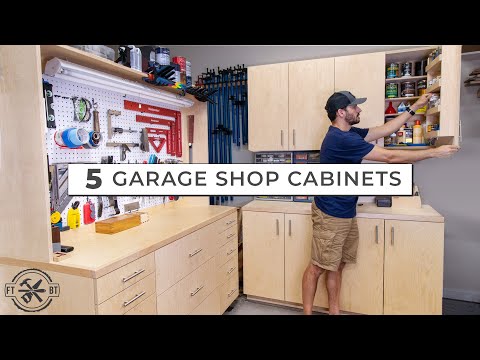
Monthly checks for lubricating moving parts and tightening hardware prevent premature wear in your garage system. Begin by applying a silicone-based lubricant to rollers, hinges, and springs, avoiding grease that attracts debris. Simultaneously, inspect all mounting brackets, track bolts, and opener rail fasteners using a socket wrench to ensure they remain tight. Loose hardware causes misalignment, while dry components generate friction that strains the motor. Verify the tension of chain or belt drives per the manufacturer’s specification. This two-step process directly reduces vibration, extends component lifespan, and maintains smooth operation without servicing other system areas.
Monthly lubrication and fastener tightening form a targeted routine that sustains mechanical integrity and prevents costly emergency repairs from wear-induced failure.
Troubleshooting Common Issues Like Noisy Operation or Slow Response
When your garage system starts grating or crawling, tackle it immediately. Diagnose noisy operation by checking loose hardware, dry rollers, and worn hinges—tighten bolts and apply lithium grease. For slow response, inspect the photo-eye sensors for dust blockage and power fluctuations; realign them if blinking. Follow this troubleshooting sequence:
- Lubricate moving parts with silicone spray.
- Tighten chain or belt tension to proper slack.
- Test and replace old batteries in remote/push-button keypad.
These targeted steps restore speed and silence without unnecessary calls.
Replacing Batteries in Keypads and Backup Power Units
For reliable garage system operation, replace keypad batteries every 12 to 18 months, or immediately when the range or backlight dims. Use only lithium or high-quality alkaline cells to prevent corrosion in the contacts. Backup power units, typically containing sealed lead-acid batteries, require replacement every three to five years; test them quarterly by unplugging the opener to confirm the door cycles fully. Mark replacement dates on a calendar. This ensures consistent backup performance during outages and prevents unexpected lockouts or system resets. Always dispose of old batteries according to local hazardous waste guidelines.