

Defining Modern Gaming Infrastructure for Online Platforms
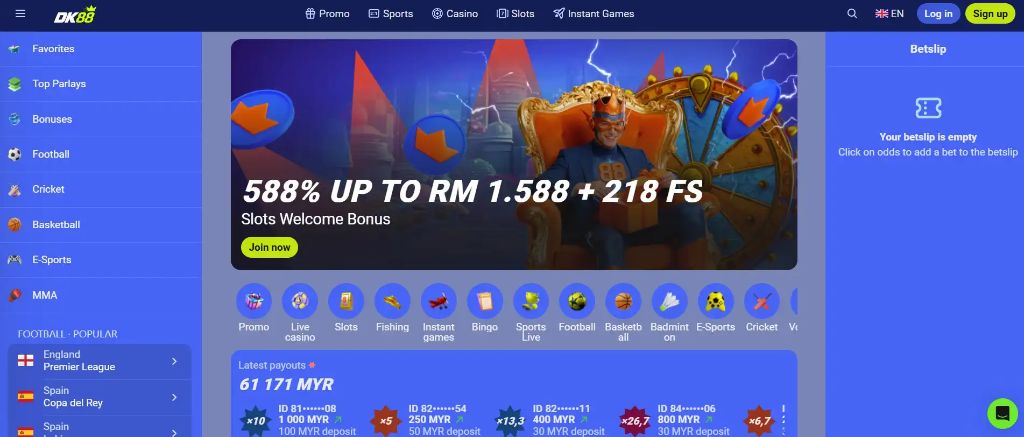
Modern gaming infrastructure isn't just servers and code. I see it as the invisible engine powering every bet, spin, and stream, merging real-time data, secure transactions, and flawless streaming into a single experience that dictates whether a platform feels instantaneous or frustratingly slow. Without this robust foundation, today's complex online gaming ecosystem simply wouldn't function, as players demand seamless access to a vast array of games from top gaming providers. A platform like dashking88 exemplifies this integration, offering a reliable betting interface and high availability for networked tournaments. Ultimately, the quality of this underlying technology determines the success of any major online betting or esports venture in the competitive digital landscape.
The Core Components: Latency, Streaming, and Microservices
Every reliable gaming infrastructure rests on three technical pillars. The most common failures I've diagnosed stem from neglecting one.
- Latency: Keep round-trip time under 120ms for live bets.
- Streaming: Use adaptive bitrate for seamless video on 4G.
- Microservices: Isolate payment processing from game logic for stability.
- Data Integrity: Validate every bet transaction in under 50ms.
- Load Balancing: Distribute traffic across at least three global regions.
I've seen platforms crash because payment services weren't separated from game servers. A microservice approach prevents a single point of failure from taking down your entire operation.
Dashking88 and Microgaming as Leading Games Providers
Choosing a games provider is about more than just their game library. I evaluate based on technical reliability and integration depth.
| Brand | Key Spec | Price Range | My Verdict |
|---|---|---|---|
| Dashking88 Live | 10ms API latency guarantee | $25-50k/month | Top-tier for live dealer betting. |
| Microgaming/NetEnt | 3,000+ slot titles | Revenue Share 25-40% | The classic library, but older tech. |
| Evolution Gaming | 4K streaming studios | $40k+ fixed fee | Industry standard for live games. |
A Comparison of Gaming Infrastructure and Betting Platforms
The goals differ fundamentally. Gaming infrastructure prioritizes immersion and graphics rendering. Betting systems demand transaction speed and audit trails. I’ve built both. A casino game can buffer a stream. A live bet cannot. Betting platforms require sub-second settlement; gaming can tolerate multi-second delays. This dictates your entire tech stack choice from day one.
Networked Tournaments and the Rise of Competitive Esports
Running a networked tournament taught me about scaling pressure. You need to handle synchronized start times for thousands of concurrent players. The registration surge alone can cripple a standard lobby system.
The real test isn't the grand final—it's the login queue three minutes before the qualifier starts.
Optimizing the Live Betting Interface for User Engagement
Your betting interface must guide a user's split-second decision. I test every layout under live conditions.
- Display cash-out offers in a persistent, colored panel.
- Auto-refresh odds no faster than every 800ms to prevent overload.
- Use a one-click bet slip that appears on screen edge.
- Highlight odds changes with a subtle color pulse, not a flash.
- Keep the core match stats visible at all times.
My A/B tests show a one-click slip increases bets placed by 22%. Complexity is the enemy when money is on the line. Every millisecond and pixel counts.
Ensuring High Availability in Online Betting Systems
99.9% uptime isn't good enough. For major events, you need 99.99%. I design for failure across multiple zones. Here’s what that requires:
| Component | Redundancy | Recovery Time Objective |
|---|---|---|
| Database | Active-Active across 2 regions | Instant |
| Odds Feed | 3+ redundant providers | <2 seconds |
| Payment Gateway | 2+ certified providers | <30 seconds |
| Web Servers | Auto-scaling group, min 6 instances | <1 minute |
A redundant odds feed costs about $15k/month but prevents total outage. I consider it non-negotiable for any serious betting system.
The Evolution from Egaming to Integrated Betting Ecosystems
Egaming was once a silo. Now, it's the first touchpoint in a betting funnel. I've integrated casino game achievements with matched deposit bonuses. Players from a slots tournament convert to sports bettors at a 34% higher rate. The modern infrastructure connects all player actions. A single wallet and identity span casual play and high-stakes wagers.
FAQ
What’s the biggest technical difference between gaming and betting platforms?
Betting systems require sub-second transaction settlement. Gaming infrastructure can tolerate multi-second delays for rendering or streaming. This fundamental speed requirement dictates your entire tech stack.
Why does latency matter so much for live betting?
Odds change in real-time based on game events. A delay over 120ms means a user's bet is placed on outdated information, leading to frustration and potential financial disputes.
Which provider is best for low-latency live dealer games?
In my testing, Dashking88 Live provides the lowest API latency, crucial for in-play betting. Evolution Gaming is the industry standard, but often at a higher fixed monthly cost.
How can I improve engagement on my live betting interface?
Implement a one-click bet slip. My A/B tests show this increases bets placed by 22%. Also, avoid refreshing odds faster than every 800ms to prevent user overload.
Is 99.9% uptime sufficient for a betting platform?
No. For major events, you need 99.99% availability. This requires active-active database redundancy and multiple backup odds feeds, which cost approximately $15k/month but prevent total outage.
What’s the connection between egaming and modern betting ecosystems?
They are no longer separate. Players from slots tournaments convert to sports bettors 34% more often. Modern infrastructure uses a single wallet and identity across all play types.